Oh now I know what muzzies are

!
Had me stumped there for bit.
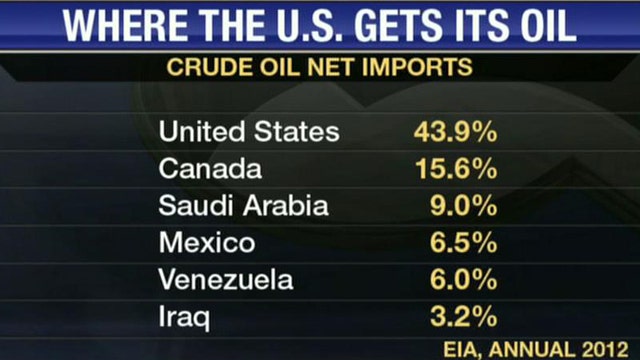
Oil is all about controlling the world price not supply. It is about barrels released and produced on demand as much as stockpiles.
The Middle east consortium via a few global companies (It had a real name,which I forget, but it was a number of countries who sought to join up to be in the controlling position of the world price).
They nearly got control at one point and were a mere vote away from a monopoly on it, its only that they fell apart in disagreement and lost some voters over our Israeli friends doing something or another at the time, that they fucked themselves up.
Usa saw this and have worked very nicely on a number of levels to halt them ever going up the same path and forming into another. A foothold over there is very useful.

 Thanks:
  Likes:
  Dislikes:
 Re: Soldier butchered in street in Woolwich



 Reply With Quote


 when they realized they were getting a Jewish neighbor and well one Holocaust wasn't enough so they'll just have to try again....crafty Jews....am I right Kirkland, eh comrade?!?!?


 Originally Posted by El Kabong


Bookmarks